Galvalume Vs. Galvanized Steel Panels | Which One is Best for You?
When choosing steel panels for your siding or roofing, Galvalume vs. Galvanized is one of the most common decisions homeowners and builders face. Both panel types start with a base and protective coating, but the differences in longevity, performance, cost, and corrosion resistance can significantly affect the success and lifespan of your project. This blog breaks down the pros and cons of Galvalume vs Galvanized metal panels so you can confidently select the right material for your budget, climate, and building needs.
What Is the Difference Between Galvalume and Galvanized Steel Panels?
| Feature | Galvalume | Galvanized |
| Coating | Aluminum, zinc, silicon | Pure zinc |
| Corrosion Resistance | High | Moderate |
| Best Climates | Coastal, humid, harsh | Midl, dry |
| Cost | Moderately higher | Lower upfront cost |
| Expected Lifespan | 40-60+ years | 20-40 years |
The biggest difference between Galvalume and Galvanized steel panels lies in the protective coating applied to the steel. While both panels use a steel core, the composition of their coatings affects corrosion resistance, appearance, longevity, and performance in different environments.
What Are Galvalume Steel Panels
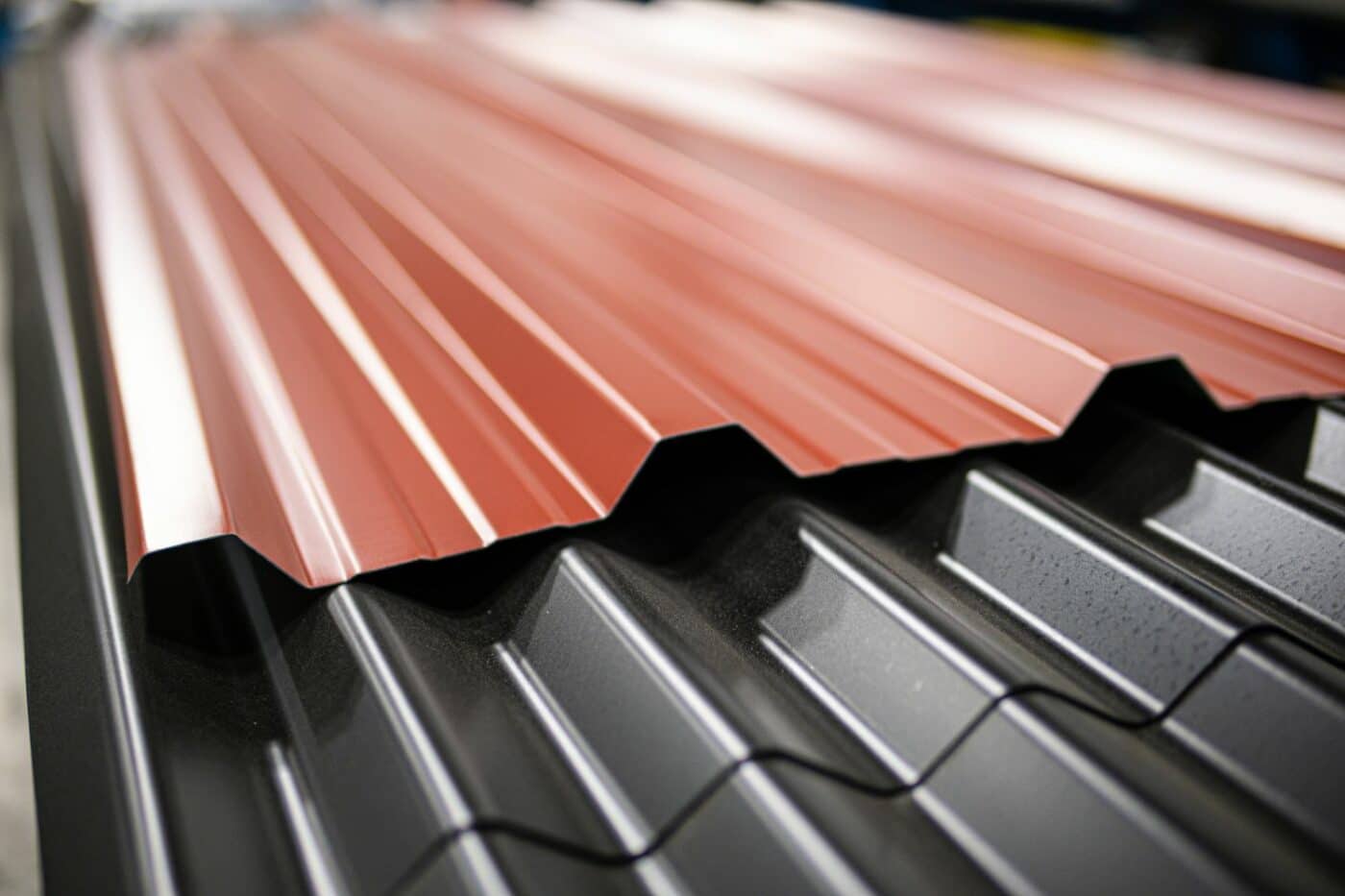
Galvalume steel panels are coated with a blend of aluminum, silicon, and zinc. The aluminum provides enhanced corrosion resistance by forming a strong barrier against oxygen and moisture, while the zinc still offers sacrificial protection against scratches or cut edges. This combination enables Galvulame panels to resist rust more effectively, particularly in coastal, humid, or high-rainfall environments.
Pros & Cons of Galvalume Steel Panels
Choosing Galvalume steel panels can be a smart move, but like any building material, they come with trade-offs.
Pros
- Excellent corrosion resistance, especially against general “rusting”
The aluminum in the coating helps form a protective barrier, and the zinc provides sacrificial protection at cut edges/scratches.
- Long service life / strong durability
Often outlasts standard galvanized steel in many outdoor exposures.
- Good heat reflectivity
Bare/metallic finishes can reflect more solar radiation than darker materials, helping reduce heat gain, which varies by color/paint system.
- Lightweight with high strength
Steel panels give a strong structure without the weight of tile or slate, which can simplify framing and installation.
- Low maintenance
Particularly in non-coastal, non-industrial environments.
- Good value
Typically, a strong price-to-longevity option compared with many other metal roofing/wall choices.
Cons
- Not ideal for coastal or high-salt environments
Salt spray and harsh marine exposure can accelerate corrosion; painted systems and/or different metals (e.g., aluminum) may perform better near the ocean.
- Vulnerable in contact with certain materials
Wet contact with copper, lead, or pressure-treated lumber (and runoff from copper components) can cause galvanic corrosion unless isolated with proper underlayments/separators.
- Edge/cut corrosion and installation details matter
While it handles cut edges fairly well, poor detailing (trapped moisture, exposed raw edges, bad fasteners) can shorten life.
- Can show “oil canning” (visible waviness)
Mostly an aesthetic issue common to many metal panels, especially wider flat profiles.
- Noise
Rain/hail can be louder than asphalt shingles unless you use solid decking, insulation, attic space, or sound-deadening assemblies.
- Denting risk
Hail or foot traffic can dent thinner gauges; choosing a heavier gauge and ribbed profiles helps.
- Finish quality varies
Bare Galvalume weathers differently from painted. Painted Galvalume performance depends heavily on the paint system (e.g., SMP vs PVDF) and installer practices.
What Are Galvanized Steel Panels
Galvanized steel panels are coated with a layer of pure zinc. This zinc acts as a sacrificial barrier, meaning it corrodes before the metal underneath, helping prevent rust. Galvanized steel panels have been used for decades and perform well in mild, dry climates where exposure to moisture and salt is limited.
In terms of performance, galvalume panels typically last longer than Galvanized and require less maintenance. These panels also tend to retain their appearance better over time and provide superior protection for siding and roofing purposes. Galvanized panels usually cost less upfront, making them a practical choice for workshops, agricultural buildings, or projects where budget is the primary concern.
In short, Galvalume delivers greater durability, corrosion resistance, and long-term value, particularly for metal roofing and exterior applications, while galvanized steel offers proven, affordable protection.
Pros & Cons of Galvanized Steel Panels
Galvanized steel panels are a common, cost-effective choice for roofing and siding, valued for their zinc coating that helps protect against rust.
Pros
- Budget-friendly: Typically less expensive than Galvalume and many other metal options.
- Widely available: Easy to source in many profiles, gauges, and finish options.
- Good corrosion protection (in many inland environments): The zinc coating slows rust by acting as a sacrificial layer.
- Tough, impact-resistant: Holds up well to everyday wear; thicker gauges resist denting better.
- Paint adheres well (when properly prepped/coated): Many pre-finished galvanized panels offer good all-around performance.
- Repairable: Scratches or small bare spots can often be touched up to reduce rust risk.
Cons
- Aesthetics/weathering: Bare galvanized can dull and stain over time; painted finishes depend on coating quality (SMP vs higher-end systems).
- Usually less corrosion-resistant than Galvalume: In many outdoor exposures, galvanized can rust sooner, especially over long timelines.
- Cut edges and fastener points can corrode: Exposed steel at cuts/holes is a common starting point for rust if not detailed and sealed correctly.
- Not ideal for coastal/high-salt or harsh industrial areas: Salt spray and pollutants can accelerate coating breakdown and corrosion.
- Coating thickness varies: Performance depends heavily on the zinc coating weight (thicker coating = better longevity).
- Potential for “white rust” in trapped moisture: If panels are stored wet or installed where water sits, zinc oxidation can show as a white, chalky residue.
Best Uses for Galvalume Steel Panels
Galvalume steel panels are best for applications where long-term durability, resistance to corrosion, and low maintenance are priorities. Their aluminum-zinc coating provides strong protection against moisture and environmental wear, making them a preferred choice for many exterior building projects.
1. Residential Metal Roofing
One of the most common uses for Galvalume panels is residential metal roofing. Homeowners benefit from the long lifespan of the materials, resistance to rust, and ability to maintain their appearance over decades. Galvalume roofing also performs well with painted and pre-finished systems, making it ideal for homes where curb appeal matters.
2. Commercial buildings
Commercial buildings often rely on Galvalume steel panels due to their strength, longevity, and reduced maintenance requirements. Warehouses, offices, retail buildings, and industrial facilities benefit from Galvalume’s ability to withstand exposure to the elements while providing consistent, reliable performance over time.
3. High-moisture environments
High-moisture environments are where Galvalume truly excels. In regions with heavy rainfall, humidity, snow, or salt-laden air, the aluminum in the coating forms a strong barrier against corrosion. This makes Galvalume panels especially well-suited for coastal areas, agricultural regions, and locations prone to condensation.
Best Uses for Galvanized Steel Panels
Galvanized steel panels are a practical and cost-effective solution for projects where reliable corrosion protection and affordability are the main priorities. Coated with a layer of zinc, galvanized panels provide dependable performance in environments that are not exposed to excessive moisture or harsh conditions.
1. Agricultural Buildings
Agricultural buildings are one of the most common applications for galvanized steel panels. Barns, sheds, equipment storage buildings, and livestock shelters benefit from galvanized steel’s durability and resistance to everyday wear. In these settings, galvanized panels provide long-lasting protection at a lower upfront cost, making them an ideal choice for large-scale agricultural use.
2. Utility Structures
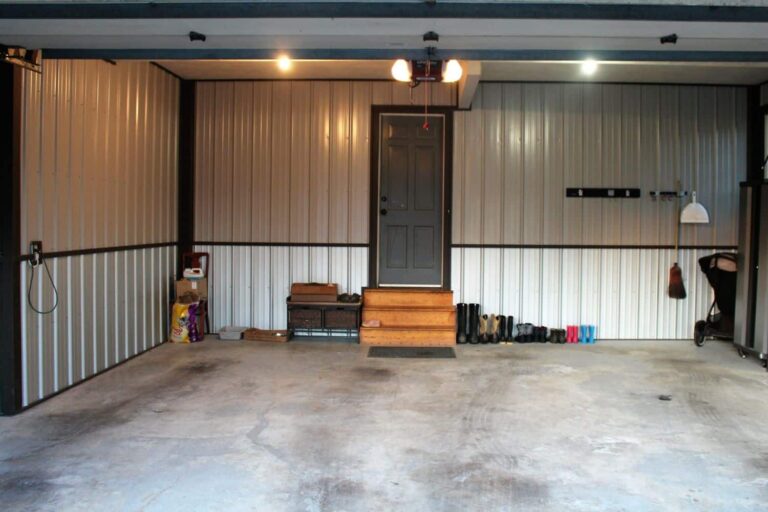
Utility structures such as workshops, garages, storage buildings, and other outdoor structures are well-suited for galvanized steel panels. These structures often prioritize function over appearance, and galvanized panels deliver dependable performance without the added expense of premium coatings.
For indoor or low-corrosion environments, galvanized steel panels perform especially well. When exposure to moisture is minimal, the zinc coating provides sufficient protection to prevent rust, allowing the panels to maintain their integrity for many years with little maintenance.
3. Budget-focused Project
Budget-focused projects frequently choose galvanized steel due to its lower initial cost compared to Galvalume. For short- to medium-term installations or buildings where maximum longevity is not the primary concern, galvanized panels provide excellent value while still delivering proven strength and durability.
Galvalume & Galvanized Steel Panels FAQS
What’s the difference between Galvalume and galvanized steel panels?
Galvalume uses an aluminum-zinc coating for strong overall corrosion resistance, while galvanized uses a zinc coating that protects by “sacrificing” itself to prevent rust.
What Is Oil Canning?
Oil canning refers to the visible waviness or distortion that can appear in flat areas of metal panels, often noticeable in certain lighting conditions. While it may affect appearance, oil canning is considered a cosmetic issue and does not impact the structural performance or weather resistance of the panels.
Oil canning occurs due to a combination of factors, including the natural characteristics of steel, stresses introduced during manufacturing, and movement caused by temperature changes. Both Galvalume and galvanized steel panels can experience oil canning because the underlying steel substrate is the same for both materials. The type of coating, aluminum-zinc for Galvalume or zinc for galvanized steel, does not prevent or cause oil canning on its own.
Is Galvalume Or Galvanized Steel More Prone To Oil Canning?
Galvalume and galvanized steel can both show oil canning, as it’s driven more by internal stress in thin sheet metal, rather than the coating itself, and is influenced by factors such as panel design, handling, and installation. It’s typically an aesthetic issue, not a structural failure, but it can stand out if you’re expecting a perfectly flat look.
In most shed and roofing applications, neither Galvalume nor galvanized steel automatically “causes” oil canning. The bigger factors are panel width/flatness, steel gauge, and how the panel is roll-formed, transported, and fastened. Wider, flatter panels and thinner gauges tend to show waviness more easily, and uneven framing or over-tightened fasteners can make it look worse.
Can Galvalume or galvanized panels be installed over existing shingles?
Sometimes, yes, depending on local codes, roof condition, and the system used (often with battens/purlins and proper ventilation), but a tear-off is often recommended to inspect decking and improve long-term performance.
How do I maintain Galvalume or galvanized panels to extend lifespan?
Keep panels clean, remove debris, ensure gutters/drainage work, avoid trapped moisture, touch up scratches when appropriate, and inspect fasteners and sealants periodically, especially after severe weather.
Galvalume vs. Galvanized: How to Choose the Right Panel for Your Project
Ultimately, choosing between Galvalume and galvanized steel panels comes down to matching the material to your climate, budget, and how the panels will be installed. If you want maximum corrosion resistance and long-term performance, especially for roofing, siding, and high-moisture environments, Galvalume is often the better investment. If upfront cost is the priority and the project is in a milder, drier setting, galvanized panels can still provide dependable protection for decades. No matter which option you choose, the right panel profile, compatible trims and fasteners, and proper underlayment/installation details will make the biggest difference in how your system looks and performs over time.